If you’ve ever done a big defensible space cleanup in late spring… and then looked around in August like, “Wait—how did it get bad again?” — you’re not alone.
In Northern California, defensible space isn’t a one-weekend project. It’s a year-round habit, because plants grow, leaves drop, wind blows debris around, and the “little stuff” is exactly what embers love.
California’s defensible space guidance generally works in three zones:
- Zone 0 (0–5 feet): ember-resistant zone (strongly recommended and often emphasized because embers are a major cause of home ignition)
- Zone 1 (5–30 feet): “lean, clean, and green” zone
- Zone 2 (30–100 feet or to your property line): reduced fuel zone; California law requires 100 feet of defensible space in many situations
Local rules can be stricter, so your fire district may expect more than the state minimum.
Below is a checklist guide you can follow all year long that’ll walk you through what you can do easily at home and when it’s time to hire tree trimming services in Windsor.
Zone-by-Zone Defensible Space Year- Round Checklist
Zone 0 Checklist (0–5 feet)
Zone 0 is all about stopping embers from finding something to start right next to your house. Zone 0 focuses on intense fuel reduction for ember protection, a key defense area.
Monthly Maintenance:
- Remove dead leaves, needles, and debris from the roof, gutters, decks, porches, stairs, and under elevated areas
- Swap combustible mulch near the home for gravel/pavers/concrete where practical
- Keep plants from touching the house (no branches brushing siding/windows)
- Limit combustible items on decks (extra furniture cushions, cardboard, stacked planters)
- Move firewood/lumber out to Zone 2
- Keep branches at least 10 feet from chimneys/stovepipes
- If any fencing attaches to your home, consider upgrading that connection to noncombustible materials
- Roll trash/recycling bins away from the home when possible
When to Call a Pro:
If you have shrubs/trees tight to the structure and you want a clean plan to reduce ignition risk without “scalping” your landscaping
Zone 1 Checklist (5–30 feet)
This is your most active zone, the one that tends to “look fine” until it doesn’t.
Every 2 Weeks During Fire Season; Monthly Maintenance:
- Remove dead plants, grass, and weeds consistently
- Clear leaves and needles from the yard and hardscape, especially in corners and along fences
- Keep trees maintained so branches don’t create continuous canopies
- Keep flammable items spaced away: patio furniture, kids’ play structures, spare lumber, etc.
- Clear flammable material from under decks, balconies, and stairs
Tree-specific Maintenance:
- Remove ladder fuels by keeping lower branches pruned and shrubs spaced so fire can’t climb from ground to canopy
- Prune tree branches at least 6 feet from the ground
- Use the simple vertical spacing idea: keep enough clearance between shrubs and the lowest tree limbs so fire can’t “ladder” upward
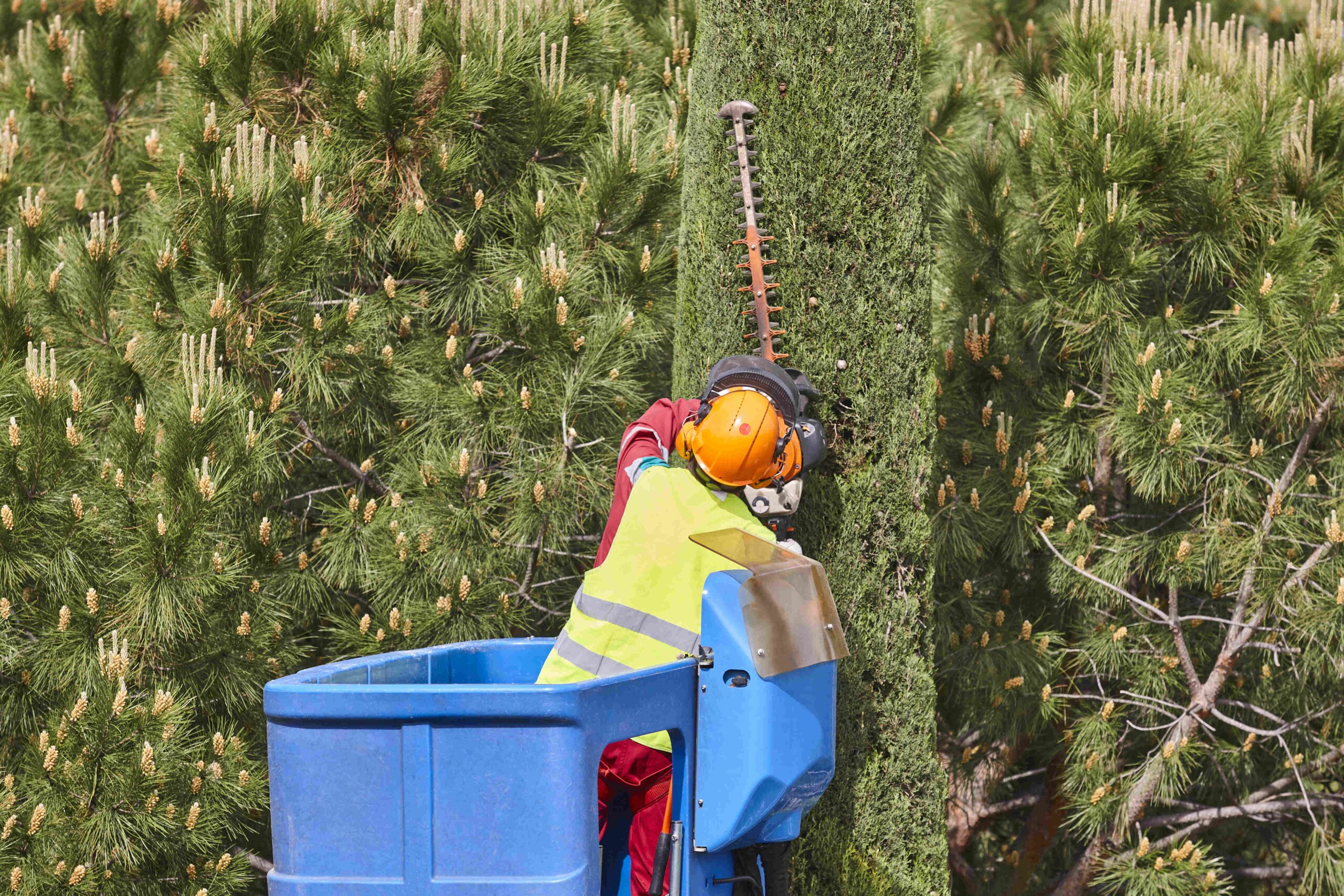
If you’re struggling to keep trees thinned, lifted, and safely spaced, especially near structures, this is exactly where a professional tree trimming service in Windsor can make the biggest difference.
Zone 2 Checklist (30–100 feet):
Zone 2 is where you slow a fire down before it gets close enough to threaten the house.
CAL FIRE explains Zone 2 work includes reducing potential fuel within 100 feet (or to the property line) and notes 100 feet of defensible space is required by law under PRC 4291 in many cases.
Monthly During Fire Season; Every 6–8 weeks Maintenance:
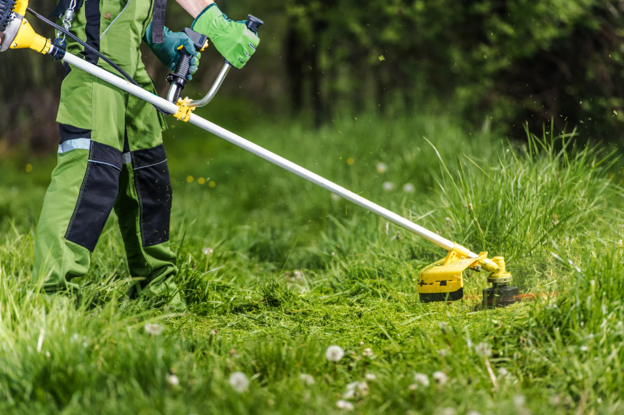
- Cut/mow annual grass to 4 inches or less
- Remove fallen leaves/needles/twigs/small branches
- Create horizontal spacing between shrubs and trees (more spacing on steeper slopes)
- Create vertical spacing between grass, shrubs, and tree limbs
- Keep wood piles with clearance around them and place them away from structures (and ideally not under tree canopies)
- Clear around outbuildings and propane tanks with the recommended clear space to bare soil and reduced vegetation nearby
Seasonal Defensible Space Checklist
Winter Checklist
- After storms, pick up downed branches and clear debris piles
- Schedule structural pruning for trees (winter can be a good time, depending on species and goals)
- Check drainage areas so water doesn’t create erosion channels that fill with brush later
If you use a tree trimming service in Windsor, winter is often a smart time to book, before the spring rush hits.
Spring Checklist
- Mow early, before grasses cure and turn to fuel
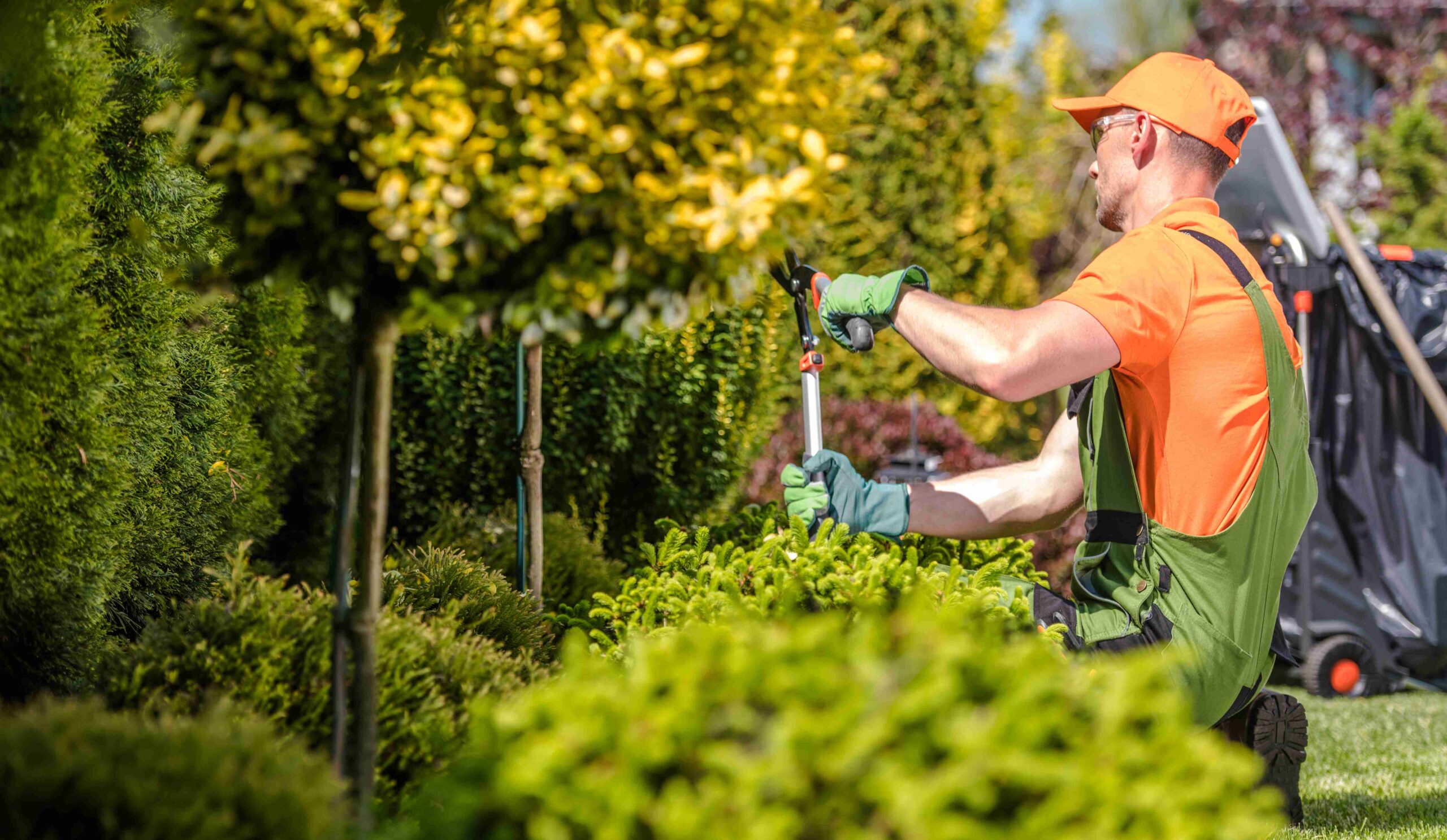
- Thin fast-growing shrubs and remove dead interior growth
- Re-check Zone 0: spring winds love stuffing gutters and corners with debris
- Check tree spacing again—new growth can reconnect canopies
If you’re planning bigger changes, such as tree removal or heavy cutting, check local permit rules for specific trees and sizes.
Summer Checklist
- Do a quick Zone 0 reset every 2–3 weeks
- Keep grasses at or under 4 inches in Zones 1–2
- Remove dead/dying vegetation immediately
- Avoid risky mowing timing—Sonoma County Fire District warns mowing can spark fires and recommends mowing when conditions are cool/damp
If you notice dead tops, hanging limbs, or trees stressed by heat/drought, get an assessment—this is where a tree trimming service in Windsor can remove hazards before they drop.
Fall Checklist
- Clean gutters and roof areas more often
- Rake/clear leaf piles away from structures and decks
- Trim back anything that has crept too close to siding/windows
- Walk Zone 2 and remove fresh fallen material after wind events
When It’s Time to Hire a Professional
Most homeowners can handle raking, mowing, and basic cleanup. Trees are where it gets risky, both for safety and for getting the defensible space layout right.
Use this checklist to decide if it’s time to bring in a professional:
- You have tree limbs over the roof or near chimneys
- You see ladder fuels (low limbs + shrubs underneath) and aren’t sure what to remove without harming the tree
- Your trees are near power lines
- You’ve got deadwood, hangers, or storm-damaged limbs
- You want defensible space that looks clean
That’s where hiring a tree trimming service in Windsor can help you keep the property safer and keep your trees healthier long-term.
Protect Your Property – Sam’s Tree Service
Sam’s Tree Service has qualified arborists managing projects who are fully licensed, insured, and bonded. With power line experience (Cal-OSHA certified), we take every project seriously with an emphasis on safety and sustainable practices.
Protect your property from fire season. Call Sam’s Tree Service at (707) 293-6930 or contact us online for a free estimate today.

Owner / Operator, Sam’s Tree Service
Sam Garcia, owner of Sam’s Tree Service, founded his company in 2019. However, the roots of the business go much further back to Sam Senior.
With over 30 years in the tree business, Sam Senior was employed with a large well-known tree company where he gained deep experience working with a power line contractor.
Today, Sam’s Tree Service is a father-son business with full family involvement that combines family values and local commitment with friendly customer service.
With a qualified arborist to oversee the work, customers count on Sam’s for broad expertise with trees, from trimming and pruning to removal, emergency tree services and more. In addition, both Sam Senior and Junior have power line experience, which is essential for any tree work that is in or immediately adjacent to power lines.