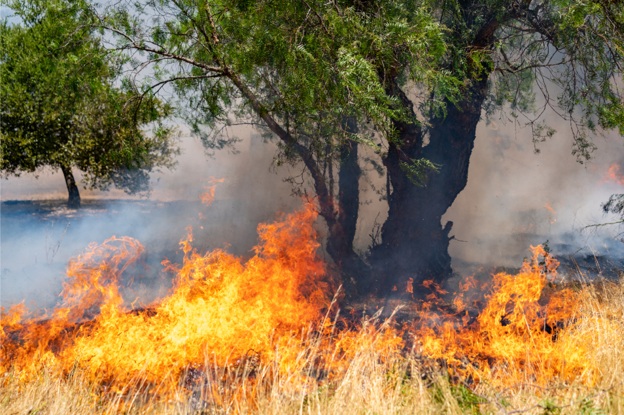
In California, many homes are lost from wind-blown embers that ignite a chain reaction.
Fire-defensible space is designed to prevent ignition: it’s a planned buffer around your home that reduces how easily fire can start, spread, and ignite larger fuels, while also giving firefighters a safer place to work.
Below is a homeowner-friendly guide to defensible space, the benefits of creating one, practical steps you can take, and when to hire lot clearing services in Marin County.
What Does Fire-Defensible Space Mean?
A fire-defensible space is the area around your home that’s maintained to reduce wildfire risk.
It acts as your home’s ignition buffer with a combination of distance, smart landscaping, and fuel reduction that helps keep flames and embers from igniting near your structure.
CAL FIRE describes defensible space using zones, including a critical 0–5 foot “Zone 0” closest to the home.
Is Defensible Space Required in California?
In many fire-prone areas, yes. California law requires property owners to create a defensible space up to 100 feet around structures in specified areas.
Requirements and inspections can vary by location, slope, and vegetation type, so it’s smart to check your local fire authority guidance first. Many counties provide step-by-step guidance for creating fire-defensible spaces.
What Are the 3 Zones of Defensible Space?
Fire-defensible spaces are categorized into three zones:
- Zone 0: 0–5 feet (ember-resistant zone)
- Zone 1: 5–30 feet (home defense zone)
- Zone 2: 30–100 feet (reduced fuel zone)
If your lot is smaller, you’ll typically want to work up to the property line and coordinate with neighbors when possible.
What is Zone 0, And Why is It So Important?
Zone 0 is the first 5 feet around your home and is often referred to as the most important, as it’s where embers often land first and ignite, before spreading to a structure.
Clearing Zone 0 is one of the highest-impact wildfire prevention moves you can make.
What Should Zone 0 Look Like?
Marin County and CAL FIRE recommendations include:
- Removing combustible materials that are against the home; consider gravel, pavers, or hardscape alternatives
- Clearing leaves/needles/debris from corners, under decks, and walls
- Keeping plants and branches from touching siding, eaves, decks, and stairs
- Reducing combustible storage (stacked lumber, cardboard, firewood) close to the structure
This isn’t about making your home an eyesore; it’s about making it harder to ignite.
What to do in Zones 1 and 2 (5–100 feet)
What Should I Do in Zone 1 (5–30 feet)?
Zone 1 is the “home defense” zone. The goal is to keep landscaping managed and spaced, so fire has a harder time building intensity.
Common practices include:
- Remove dead plants, dry weeds, and leaf litter
- Space shrubs and keep plants pruned and maintained
- Keep tree limbs from overhanging roofs and keep vegetation away from structures and decks
What should I do in Zone 2 (30–100 feet)?
Zone 2 is about reducing fuel continuity and slowing fire spread:
- Reduce dense brush and remove dead material
- Create spacing between shrubs/trees so fire doesn’t move as easily crown-to-crown
- Maintain access routes and keep roadsides clear where required
Does Defensible Space Mean I Have to Remove All Trees?
No, and in many cases, you shouldn’t. Healthy, well-spaced, and well-maintained trees can be a big part of a fire-smart landscape.
Focus on:
- Removing dead/dying material
- Reducing ladder fuels
- Creating spacing and keeping vegetation from contacting the structure
If you’re unsure what to clear out, an experienced tree and lot clearing service in Marin County can be a big help.
What Are Ladder Fuels and Why Do They Matter?
Ladder fuels are vegetation layers that let fire climb up from the ground into shrubs and then up into tree canopies.
When ladder fuels are ignited, fires often become hotter, faster, and harder to control. Reducing ladder fuels is one of the biggest reasons to create a fire-defensible space.
Benefits of Fire-Defensible Spaces
What Are the Biggest Benefits of Creating a Defensible Space?
Homeowners usually see four major benefits:
- Lower ignition risk from embers (especially in Zone 0)
- Slower fire spread and reduced intensity near the home
- Safer access for firefighters, who may be more able to defend a structure when there’s room and reduced fuels
- Better compliance with local/state expectations around vegetation management
Can Defensible Space Help with Homeowners Insurance?
Depending on the carrier, yes, it can help demonstrate risk reduction, and some insurers or programs look for wildfire mitigation steps. However, insurance rules change often, and requirements vary by carrier.
How Does Defensible Space Help My Neighborhood?
Wildfires are a community problem. Embers don’t respect fence lines.
When you reduce ignition points on your property, especially right next to your home, you reduce the chance that your property becomes the “starter” that threatens neighboring homes.
When Should I Consider Hiring a Professional Lot Clearing Service?
You’ll usually want professional support when:
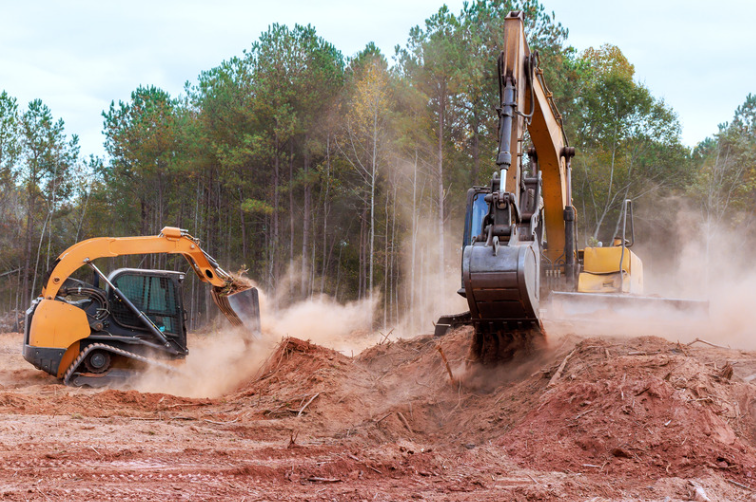
- You have dense brush or large areas to clear
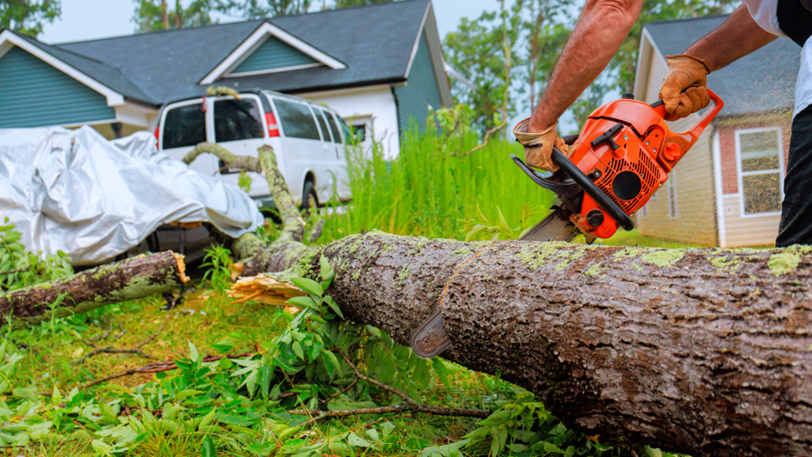
- You need tree pruning at height
- You’re managing a vacant lot or overgrown acreage
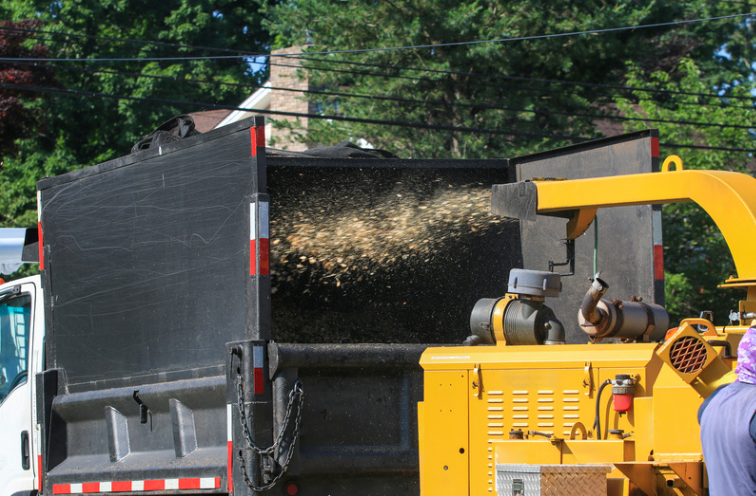
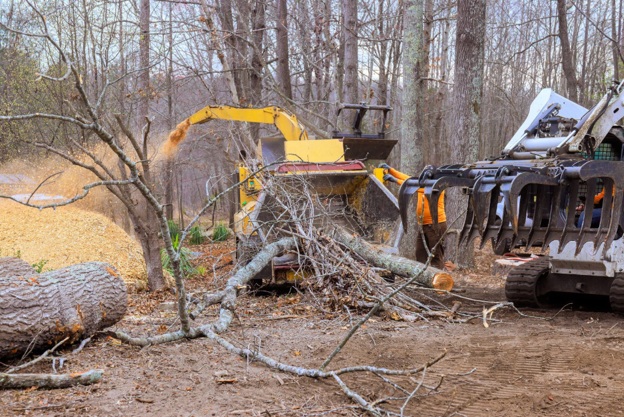
- You need chipping/haul-away and a clean finish for ongoing maintenance
For property owners searching for lot clearing services in Marin County, hire a crew that’s familiar with county requirements and who will talk you through a plan, instead of clearing everything in sight.
How Often Do I Need to Maintain a Defensible Space?
Defensible space is not a “one-and-done” project, most properties need:
- Seasonal cleanup (spring and late summer)
- Ongoing clearing of dead material and leaf litter
- Touch-ups after wind events
Once your zones are set up, upkeep becomes a regular routine instead of an emergency scramble.
Defend Your Home from Wildfire Season
If you’re ready to build a defensible space and want a professional opinion on what to prioritize first, start with an on-site walkthrough and a simple plan.
Whether you’re clearing out the small stuff or hiring a pro for the heavy lifting, the goal is the same: make your home harder to ignite and easier to defend. Contact us online or call (707) 293-6930 for a free estimate today.

Owner / Operator, Sam’s Tree Service
Sam Garcia, owner of Sam’s Tree Service, founded his company in 2019. However, the roots of the business go much further back to Sam Senior.
With over 30 years in the tree business, Sam Senior was employed with a large well-known tree company where he gained deep experience working with a power line contractor.
Today, Sam’s Tree Service is a father-son business with full family involvement that combines family values and local commitment with friendly customer service.
With a qualified arborist to oversee the work, customers count on Sam’s for broad expertise with trees, from trimming and pruning to removal, emergency tree services and more. In addition, both Sam Senior and Junior have power line experience, which is essential for any tree work that is in or immediately adjacent to power lines.